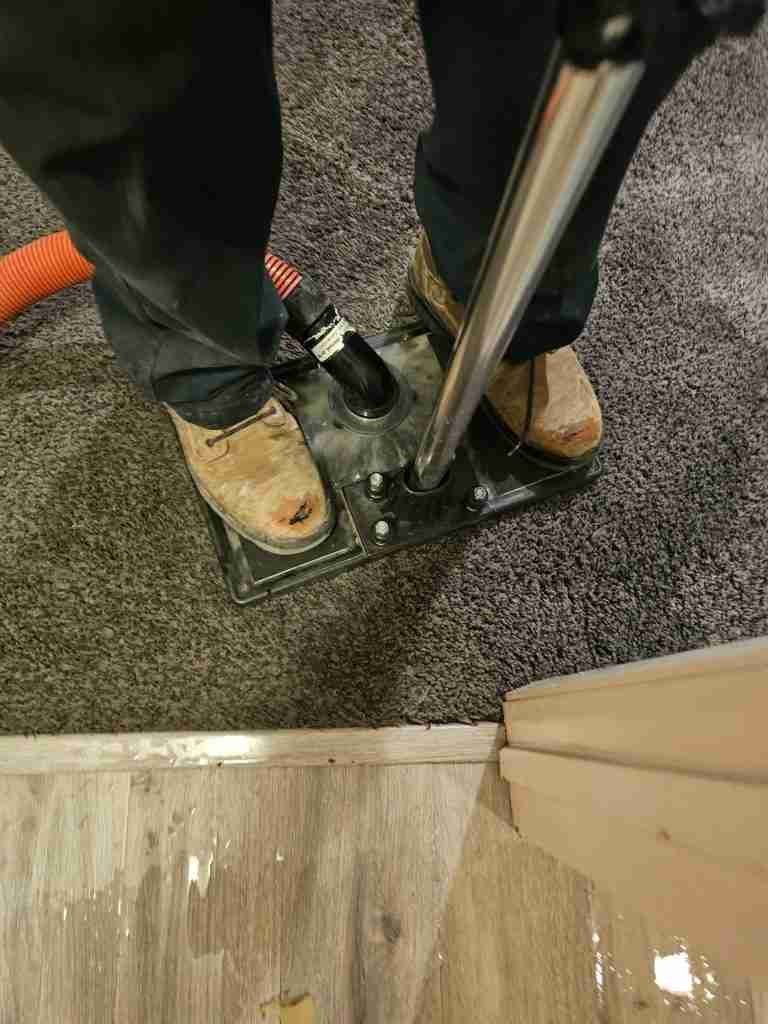
Real Water Damage Conditions
The visible wet area is often only part of the loss. Professional restoration starts by understanding how far moisture may have traveled.
Water damage can spread through a home or commercial property much faster than it appears from the surface. Rapid Response Flood Restoration provides professional emergency water damage restoration throughout Southern California's High Desert, helping property owners respond quickly to plumbing failures, burst pipes, appliance leaks, roof intrusion, slab leaks, overflows, and other sudden water losses.
Our restoration approach focuses on controlling the active loss, removing water, identifying affected materials, reducing hidden moisture, removing damaged materials when necessary, supporting structural drying, and moving the property toward cleanup, stabilization, and repair readiness.
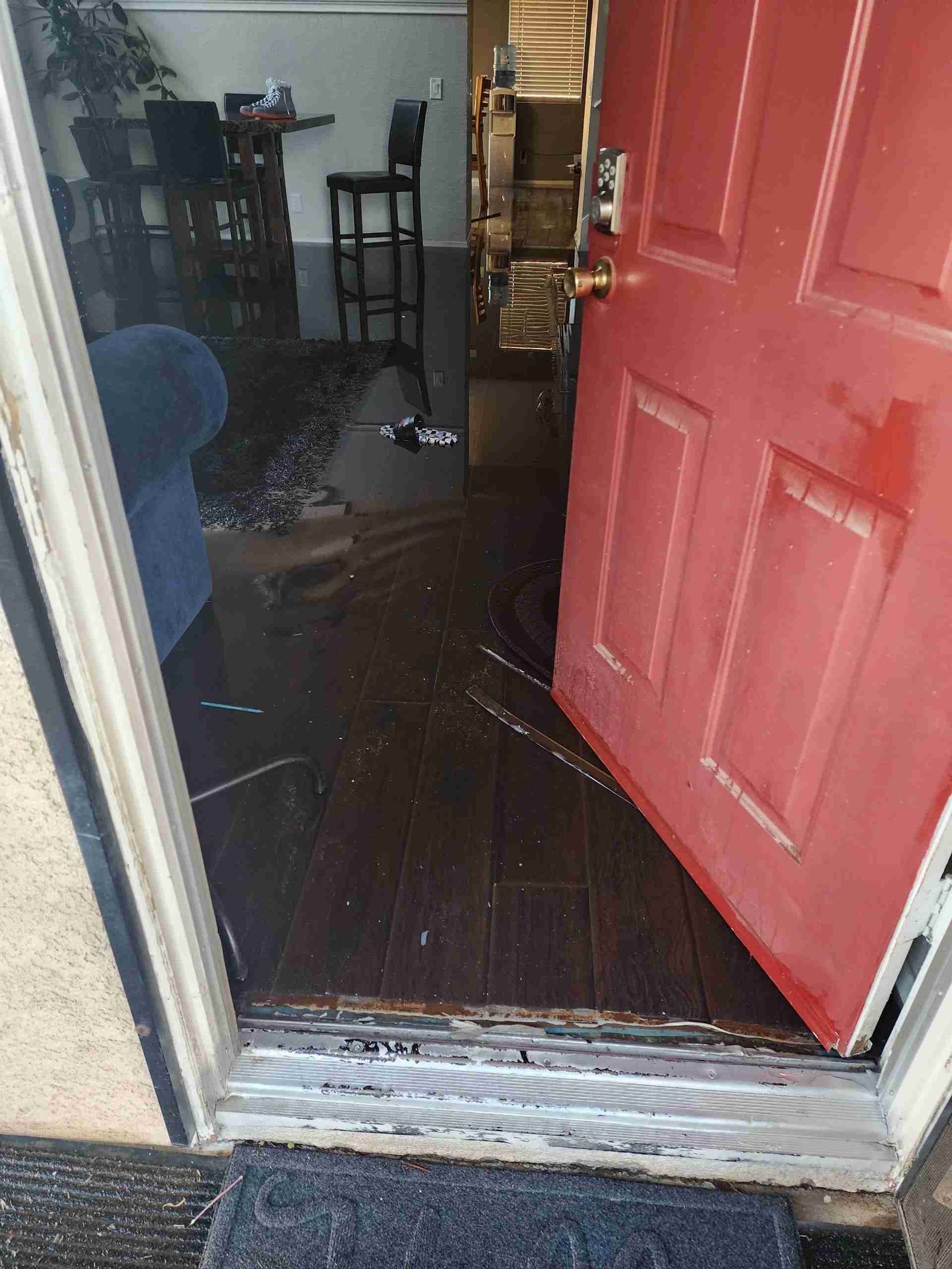
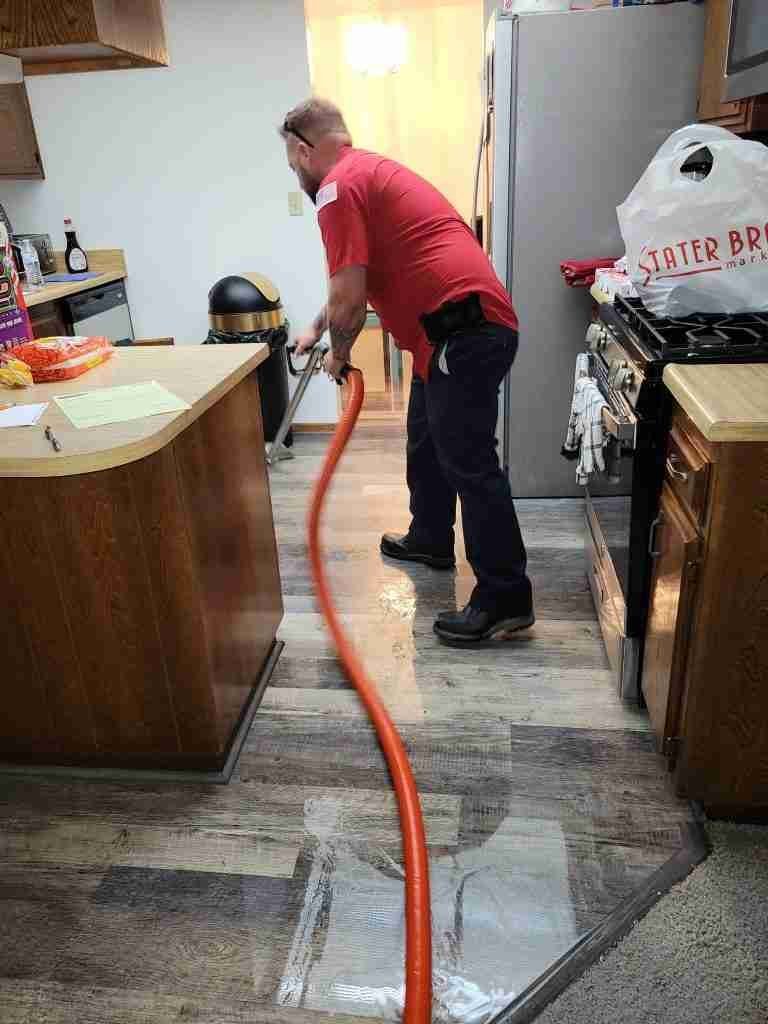
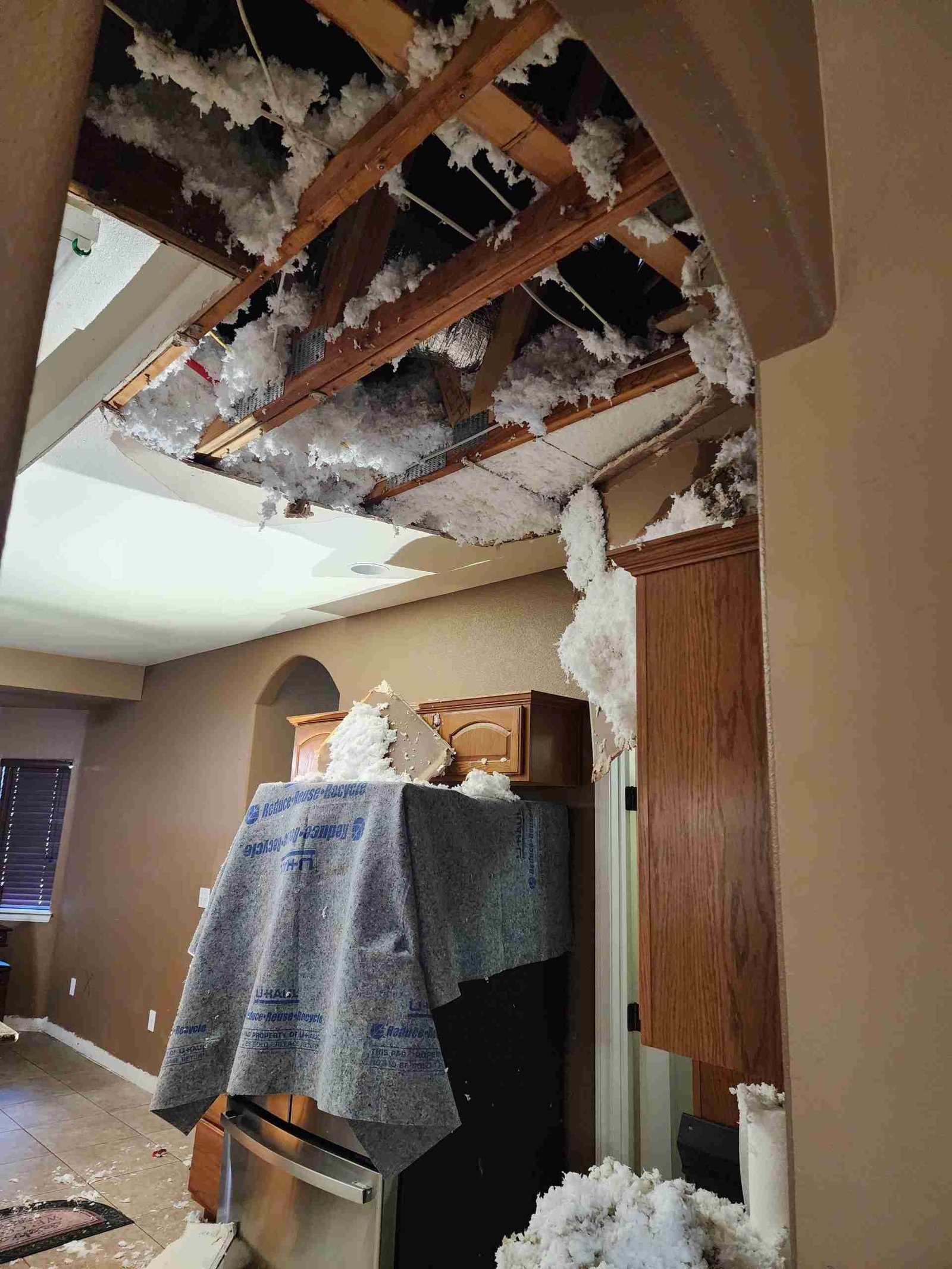
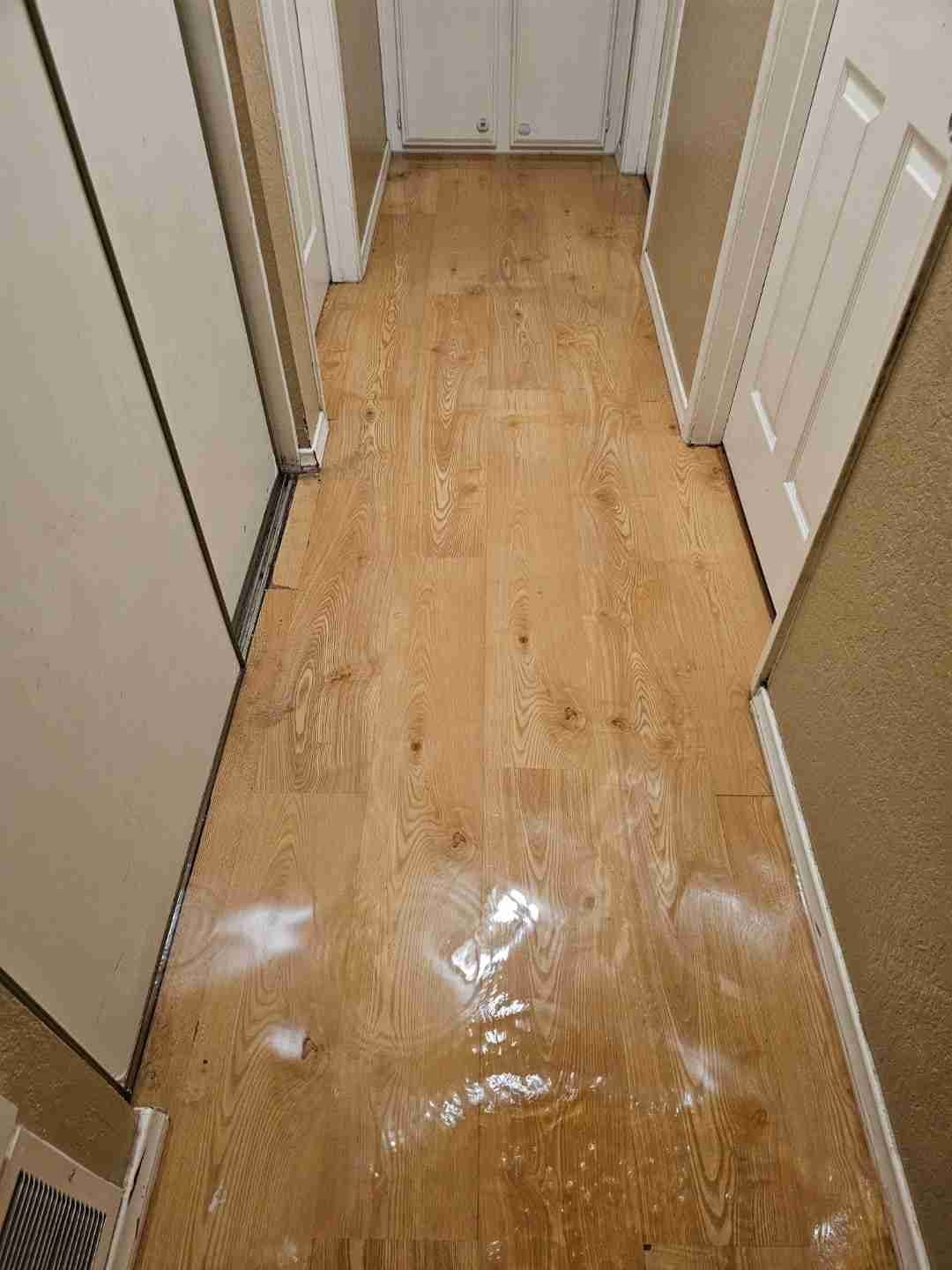
A serious water loss can affect far more than the area where the leak first appeared. Water can travel underneath flooring, behind baseboards, into drywall, inside cabinets, around framing, beneath finish materials, and into adjoining rooms.
That is why professional water damage restoration cannot stop at removing the puddle. The restoration process should evaluate how far the water traveled, what materials were affected, what can be dried or restored, and what may require selective removal.
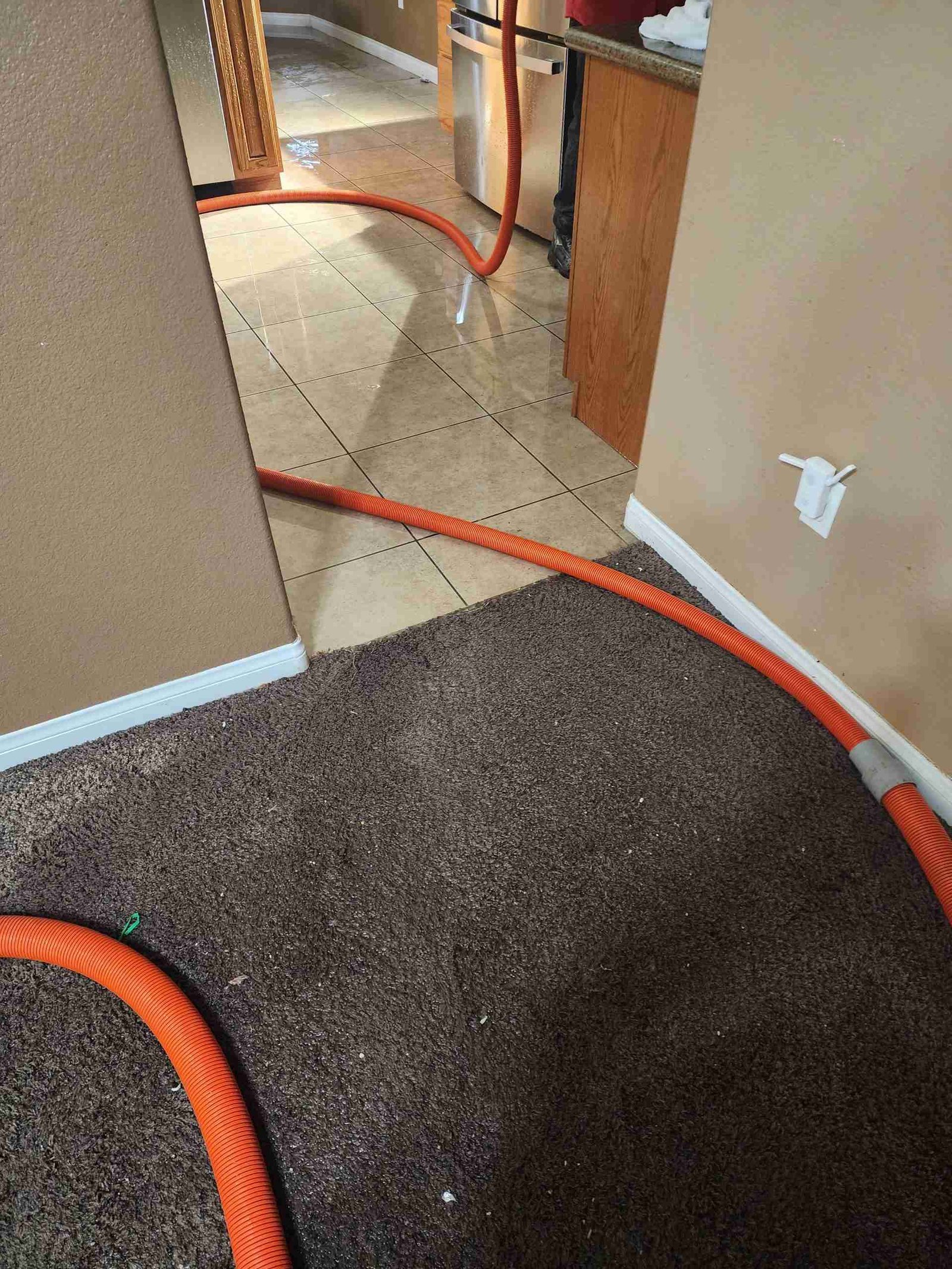
Some water losses happen instantly. Others start small and spread quietly behind surfaces before the full extent becomes obvious. Fast action helps reduce how much of the structure becomes affected.
Broken supply lines and failed plumbing connections can release large amounts of water into walls, floors, cabinetry, and adjoining rooms in a short period of time.
Washing machines, dishwashers, refrigerators, water heaters, and other appliances can cause major interior water damage when lines, valves, or tanks fail.
Water from beneath the slab can migrate under flooring and into lower walls, baseboards, cabinets, and adjoining spaces before the source is obvious.
Water entering from above can damage ceilings, insulation, framing, drywall, flooring, and contents while continuing to move downward through the structure.
Overflowing sinks, tubs, toilets, and other plumbing fixtures can quickly spread water across large sections of a home or commercial property.
Slow leaks can remain concealed behind walls, inside cabinets, or beneath flooring while continuously damaging surrounding building materials.
Standing water and hidden moisture continue affecting building materials until the loss is addressed. Fast response can help reduce swelling, warping, staining, material breakdown, and the amount of demolition that may ultimately be required.
Every water loss is different, but the objective remains the same: understand the loss, stop additional damage, remove water, address affected materials, manage moisture, and move the property toward drying and recovery.
We identify the visible source area, where water may have traveled, and which materials require immediate attention.
When the source can be safely controlled or isolated, stopping additional water helps prevent the loss from continuing to spread.
Removing standing and accessible water reduces the amount of moisture being absorbed into surrounding building materials.
Saturated or heavily damaged drywall, flooring, insulation, trim, cabinetry, or other materials may require selective removal.
Water can remain concealed behind surfaces and beneath finish materials even when the outside begins to look dry.
Once water and compromised materials are addressed, the property can move toward controlled drying, cleanup, and repair readiness.
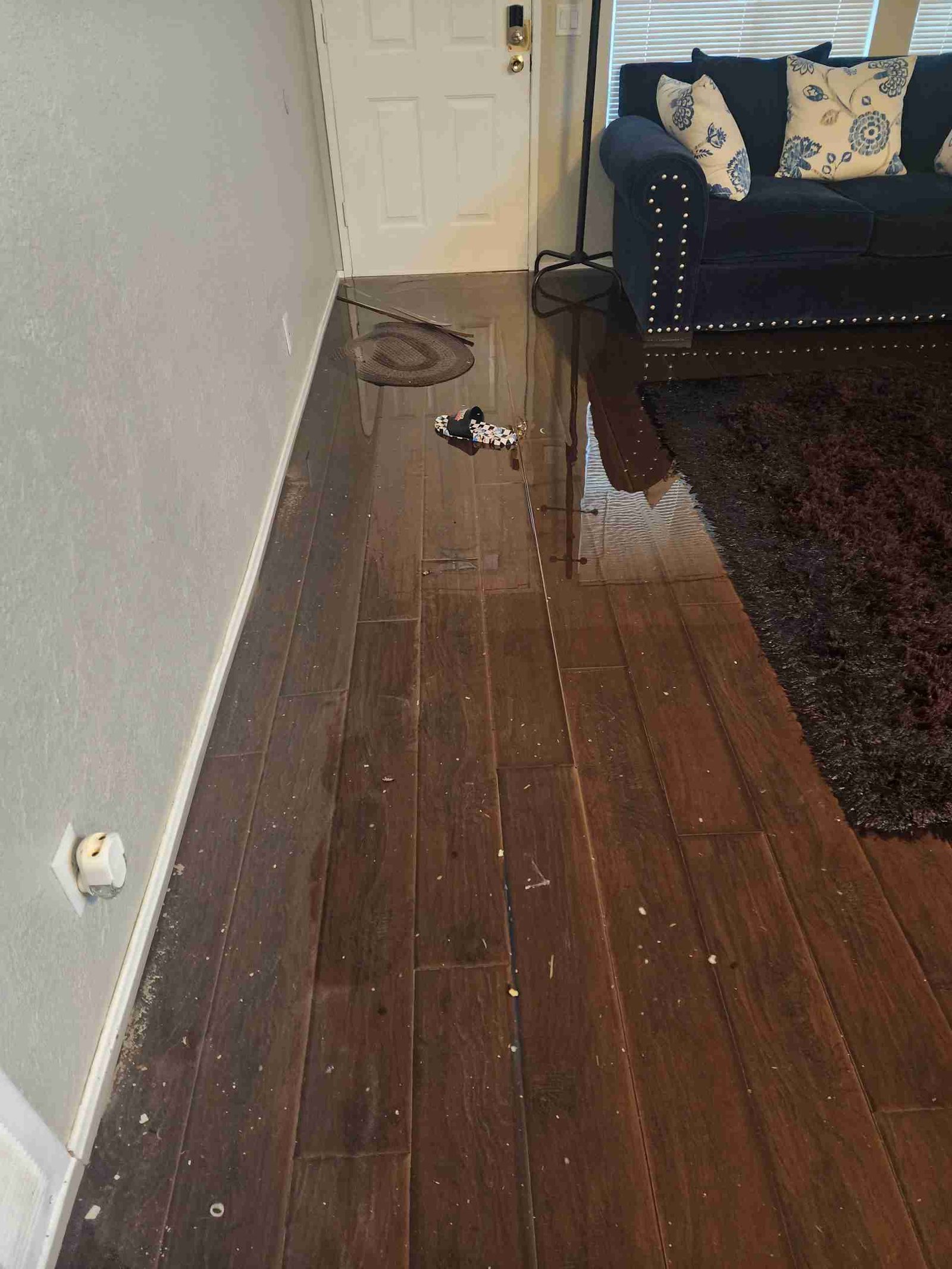
These are real Rapid Response project photographs showing the kinds of damaged materials, interior conditions, mitigation work, and restoration response our team handles.
The visible wet area is often only part of the loss. Professional restoration starts by understanding how far moisture may have traveled.
When damaged materials cannot remain in place, selective removal helps expose affected areas and move the structure toward drying.
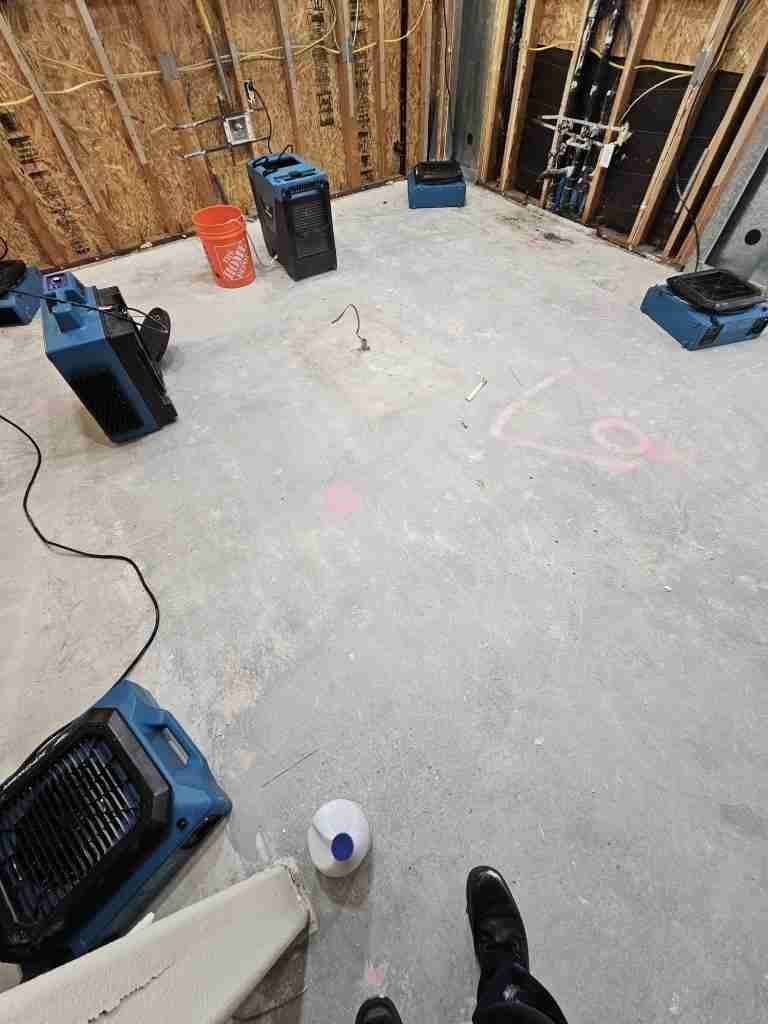
After water and damaged materials are addressed, the property can move toward drying, cleanup, stabilization, and repair readiness.
A water loss can affect multiple building systems at the same time. The restoration scope depends on where the water traveled and how long materials remained exposed.
Different properties create different restoration challenges, but the need for fast response, moisture control, clear communication, and organized mitigation remains the same.
Home water losses can quickly affect kitchens, bathrooms, bedrooms, hallways, living spaces, flooring systems, cabinetry, and wall cavities.
Commercial losses require fast action because water damage can interrupt business operations while affecting customer areas, offices, flooring, equipment, walls, and stored contents.
When your property has active water damage, fast response matters. Rapid Response Flood Restoration provides professional water damage restoration, extraction, mitigation, material removal, cleanup, and drying-focused support throughout our Southern California High Desert service territory.
Whether the loss affected one room or spread through a much larger section of the property, our team is focused on helping stabilize the damage before it continues to grow.
Here are some common questions property owners ask when they discover active water damage, soaked materials, or hidden moisture inside their property.
Water damage restoration is the emergency and follow-up work used to address a water loss, remove accessible water, evaluate affected materials, reduce hidden moisture, remove damaged materials when needed, support drying, and prepare the property for repairs.
As quickly as possible. Water can continue migrating through building materials even after the active leak stops, so early mitigation can help reduce how much additional damage occurs.
Not always. The decision depends on material type, how deeply the water penetrated, how long the material remained wet, its physical condition, and whether it can reasonably be dried or restored in place.
Yes. Water can travel into wall cavities, under flooring, behind cabinets, underneath baseboards, and into other concealed areas even when the visible surface appears relatively dry.
Yes. Rapid Response Flood Restoration handles residential and commercial water damage restoration throughout our Southern California High Desert service area.
Moisture that remains in affected materials can contribute to mold-related problems. If you already have visible growth or an established moisture concern, visit our Mold Remediation page.
Call Rapid Response Flood Restoration now for fast local help. We provide emergency water extraction, water damage mitigation, damaged material removal, moisture-focused restoration, structural drying support, and residential and commercial property restoration throughout Southern California's High Desert.
If your property has active water damage, do not wait for the loss to spread farther.